Where Psychology Meets
the British Classics
In a fast-changing world, Vintage English gives us timeless tools to understand life more deeply. The classics of literature do not just belong to the past — they explain the world better than ever, offering insights, beauty, and wisdom that modern life still needs.
Learning Vintage English is not about looking back — it’s about seeing today more clearly.
Vintage English
*
Vintage English *
Vintage English — timeless wisdom for today’s world.
Not old words, but new insight.
We look at great writers through the lens of psychology. With us, you learn English — and uncover more about yourself.
In a world that moves too fast, the classics slow us down, offering clarity, depth, and perspective beyond passing trends.
With Vintage English, you don’t step back in time — you step into the present with sharper vision.
Learn Vintage English — because the past still speaks to the present.
Beyond the Page: What Writers Teach Us About Ourselves
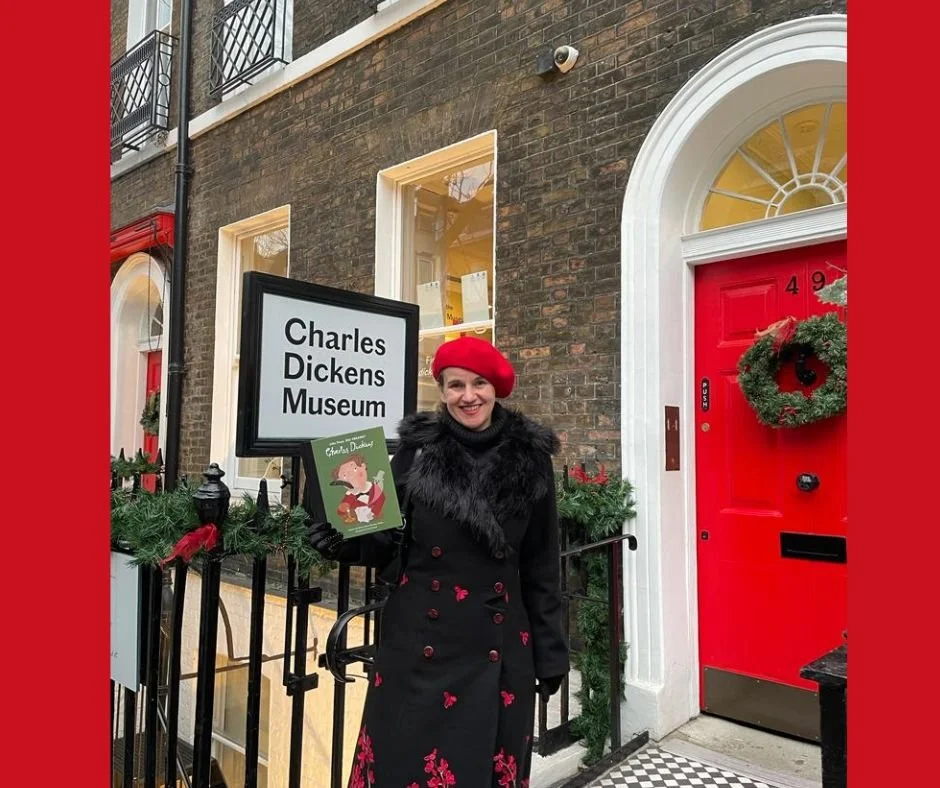
From Woolf to Dickens, the hidden lives of British authors become mirrors of our own.
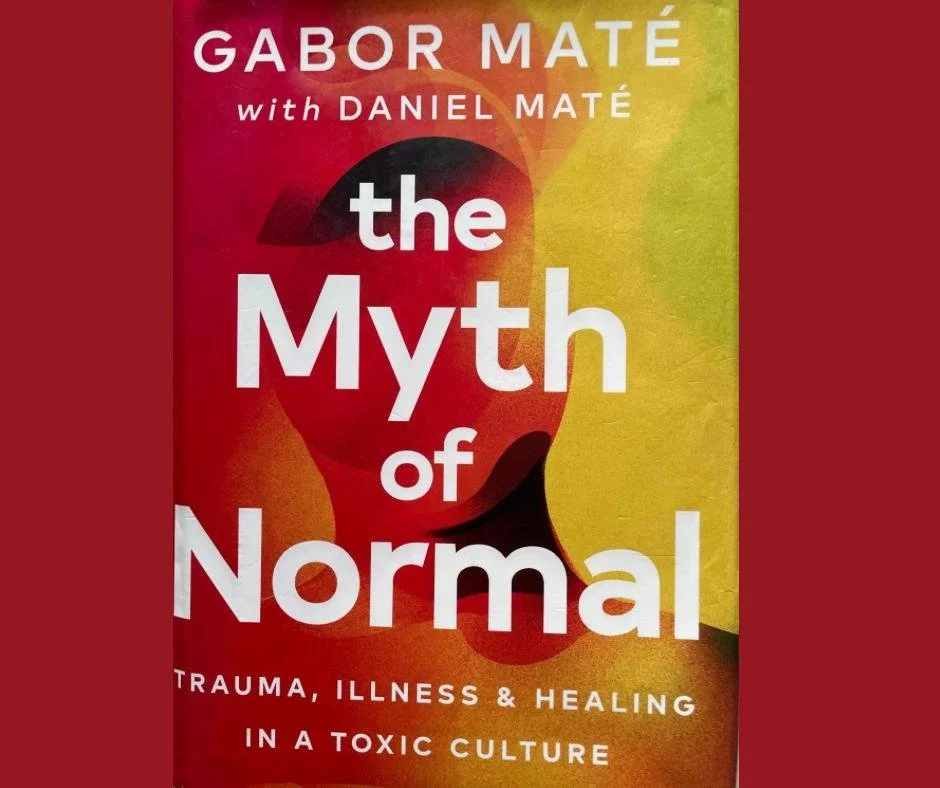
Finding Ourselves in British Writers in the context of Gabor Mate” Myth of Normal”
Gabor Maté, in The Myth of Normal, reminds us that behind every “ordinary” life is hidden struggle, and in every wound lies a story. When we turn to the lives of great British writers, we discover not just their genius, but reflections of ourselves.
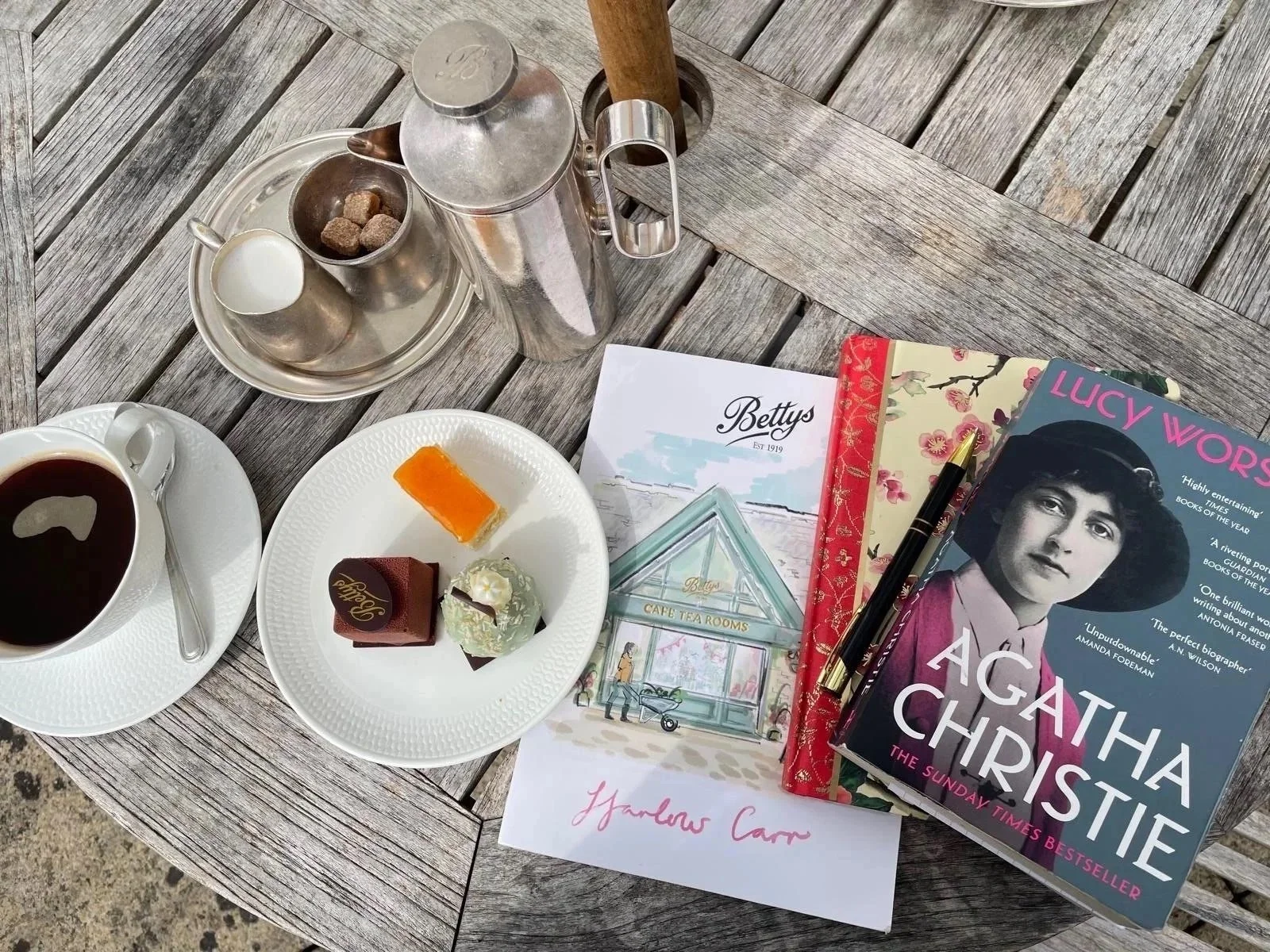
Their biographies are not only history; they are mirrors. Each life whispers the same truth: suffering and creativity are intertwined, and in their courage to write, we find lessons for living more honestly ourselves.
Core values: democracy, ecology, social justice. 〰️
The linguistic genre contains the language of ecology and social justice.
The approach provokes critical thinking which can help to change reality rather than produce “naive thinkers” who adjust to “normalized today” (Freire, 2017, p. 65). The aim of the course is to challenge status-quo-like work and celebrity culture where the student is not perceived as a product that fills the needs of the globalized market
(Chun, 2009), but as a critical agent who can recognize the threats of the contemporary world and prepare for them in advance. the developed materials for the purpose of this assignment are placed in the wider context of beliefs about what kind of world we want to live in the future (Giroux, 2019).
Psychology & Feminism
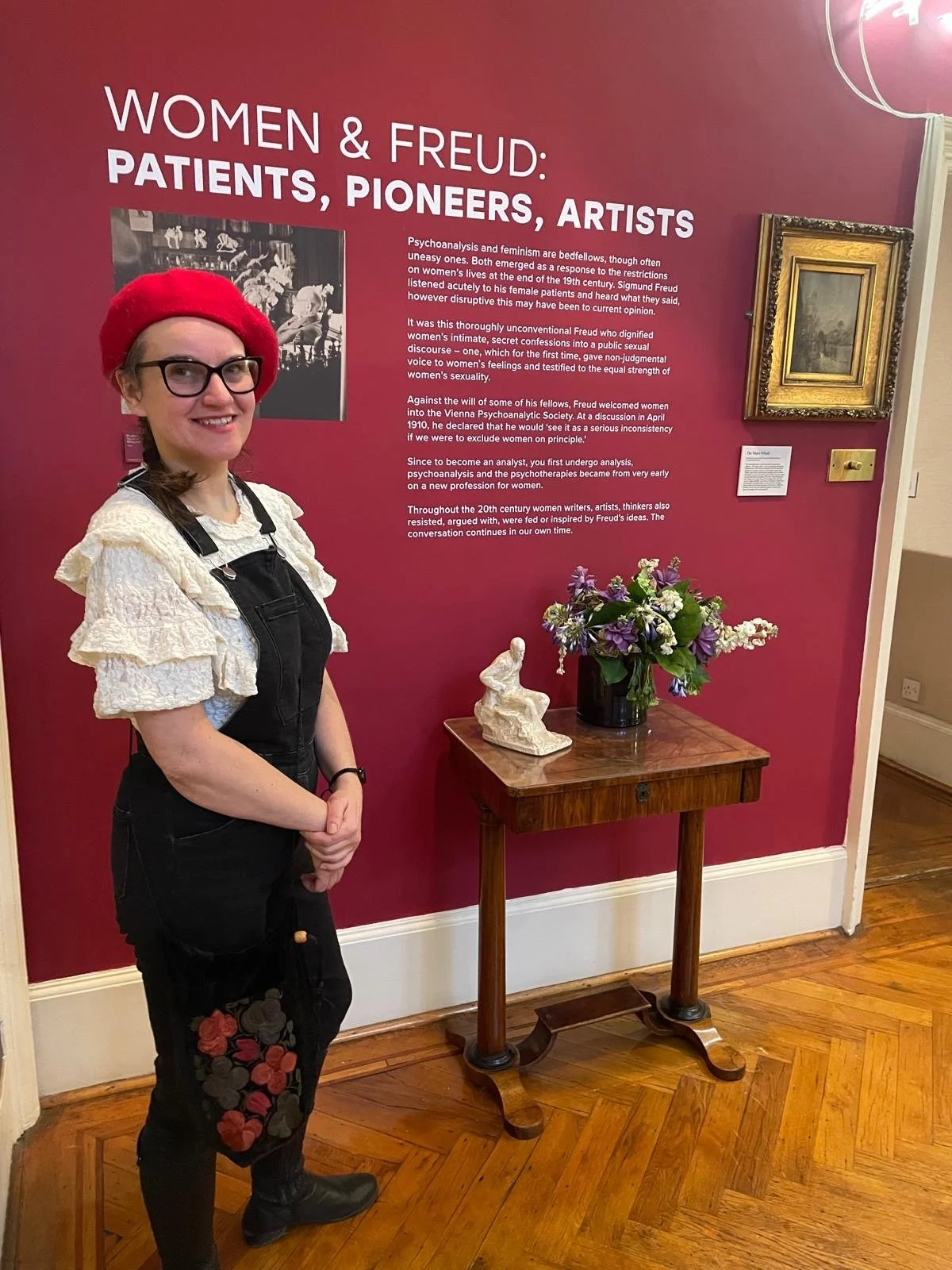
Psychology and feminism work together to explain how gender shapes our thoughts, emotions, and relationships. Feminist psychology challenges traditional theories that were built mostly on men’s experiences and highlights how social inequalities impact mental health.
Feminist approaches emphasize:
understanding the influence of gender roles and stereotypes
recognizing how power and culture affect wellbeing
validating lived experiences, especially for marginalized groups
promoting empowerment in therapy and daily life
By integrating feminist perspectives, psychology becomes more inclusive, more accurate, and more responsive to real-world experiences—helping people understand themselves and the systems around them.
Psychology as a Tool for Learning English
Psychology helps us understand how people learn—and applying it makes English learning faster and more effective. By recognizing factors like motivation, confidence, memory, and anxiety, learners can study in ways that fit their minds, not fight against them. Psychological strategies such as positive reinforcement, growth mindset, and reducing fear of mistakes help build confidence and improve communication. Using psychology in English learning creates a more supportive, motivating, and successful learning experience.
English for a More Just World
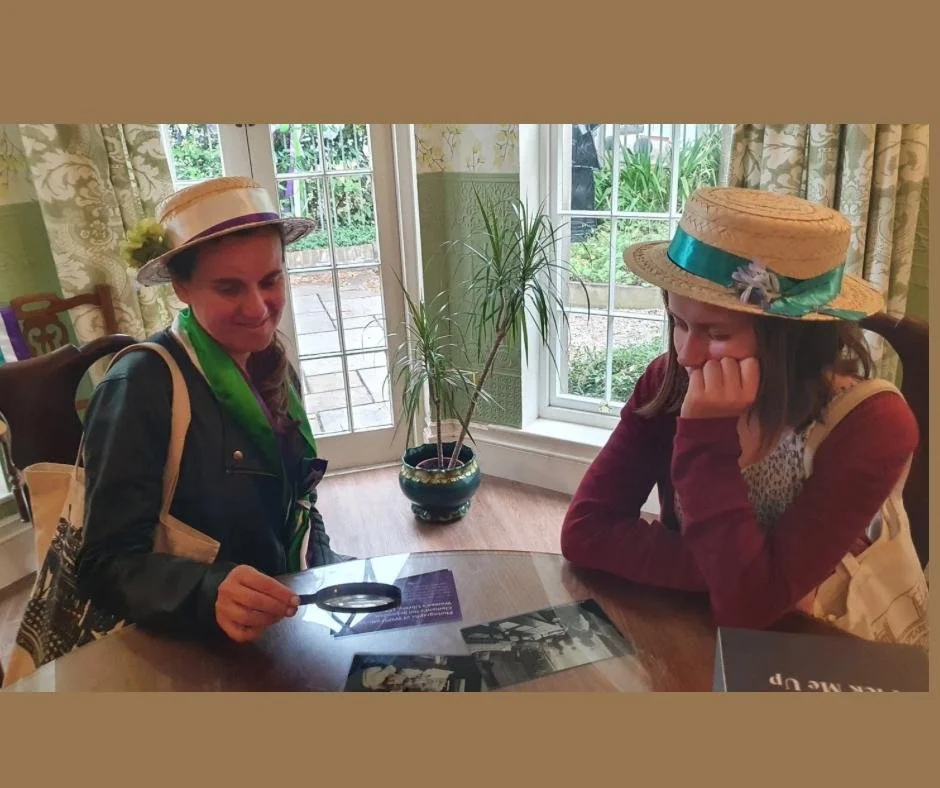
Students learn English in “cultural, political, and historical contexts” (Hall, 2018, p. 239). We explore life in England using materials from interactive museums, and British literature. We talk about social change and women's rights which reflect the thoughts of Dewey who claimed that teaching is regarded as a moral activity helping learners to establish not only meaningful but also harmonious with one’s environment lives (Kim, n.d., cited in Rud et al., 2009).
Learning English can be more than a skill—it can be a tool for justice. When people gain access to English, they gain access to education, global conversations, and opportunities that might otherwise be out of reach. English empowers individuals to share their stories, challenge inequality, and connect with diverse communities. By teaching and learning English in inclusive, respectful ways, we help build a world where every voice can be heard and valued.
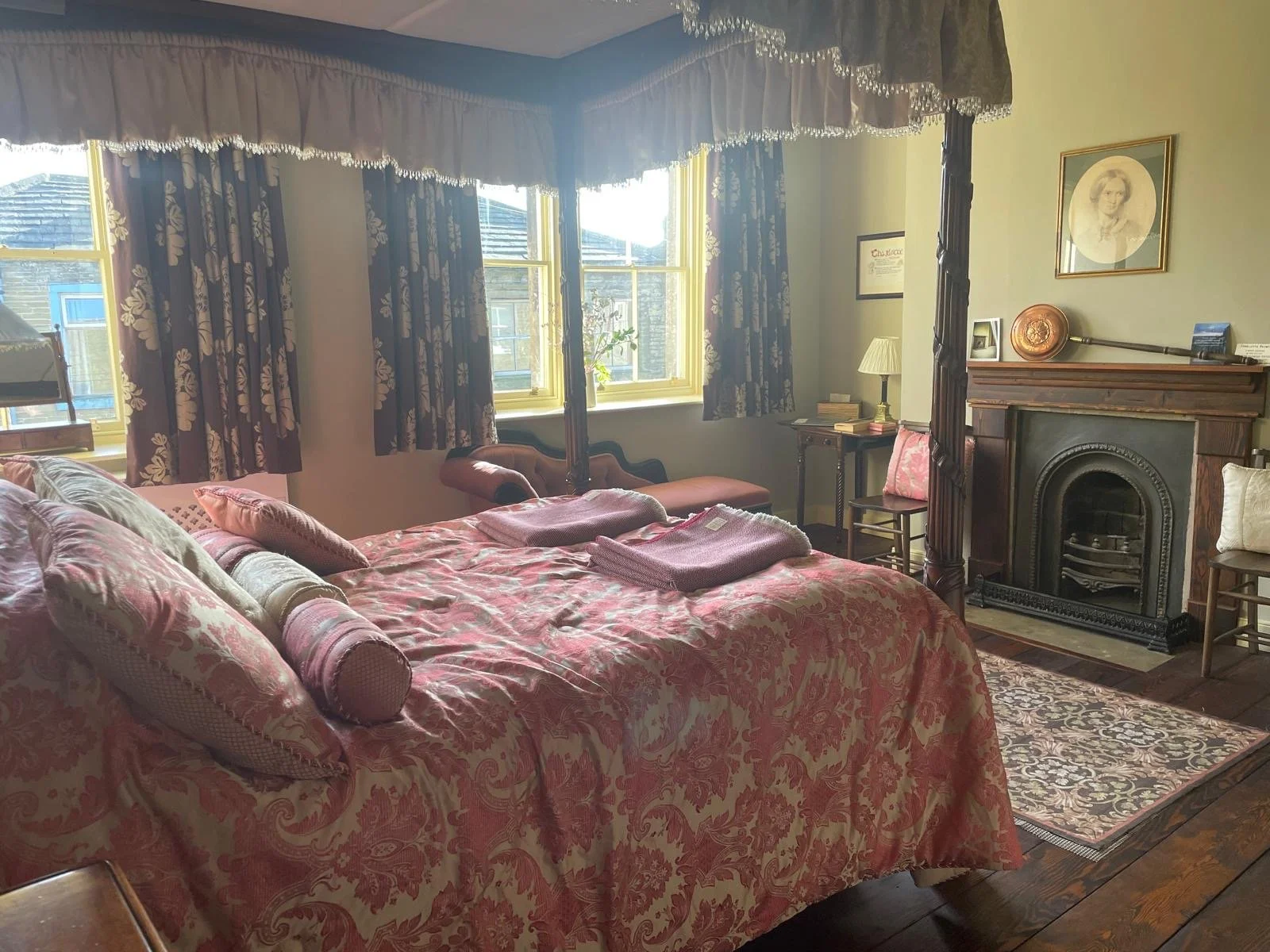
Stay Where Genius Began
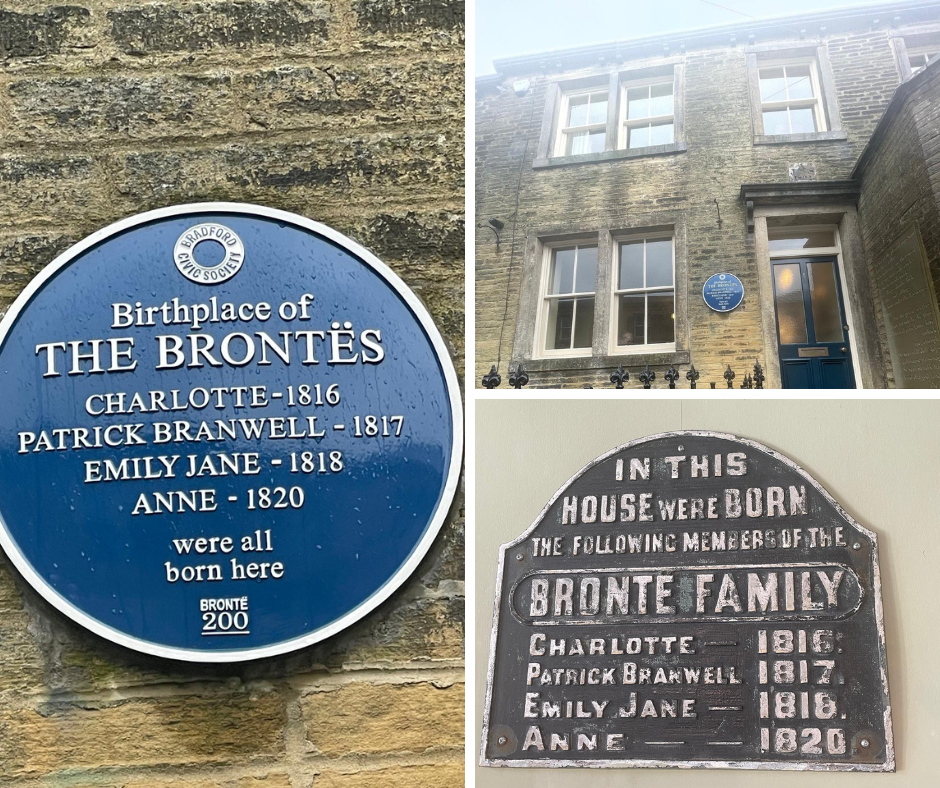
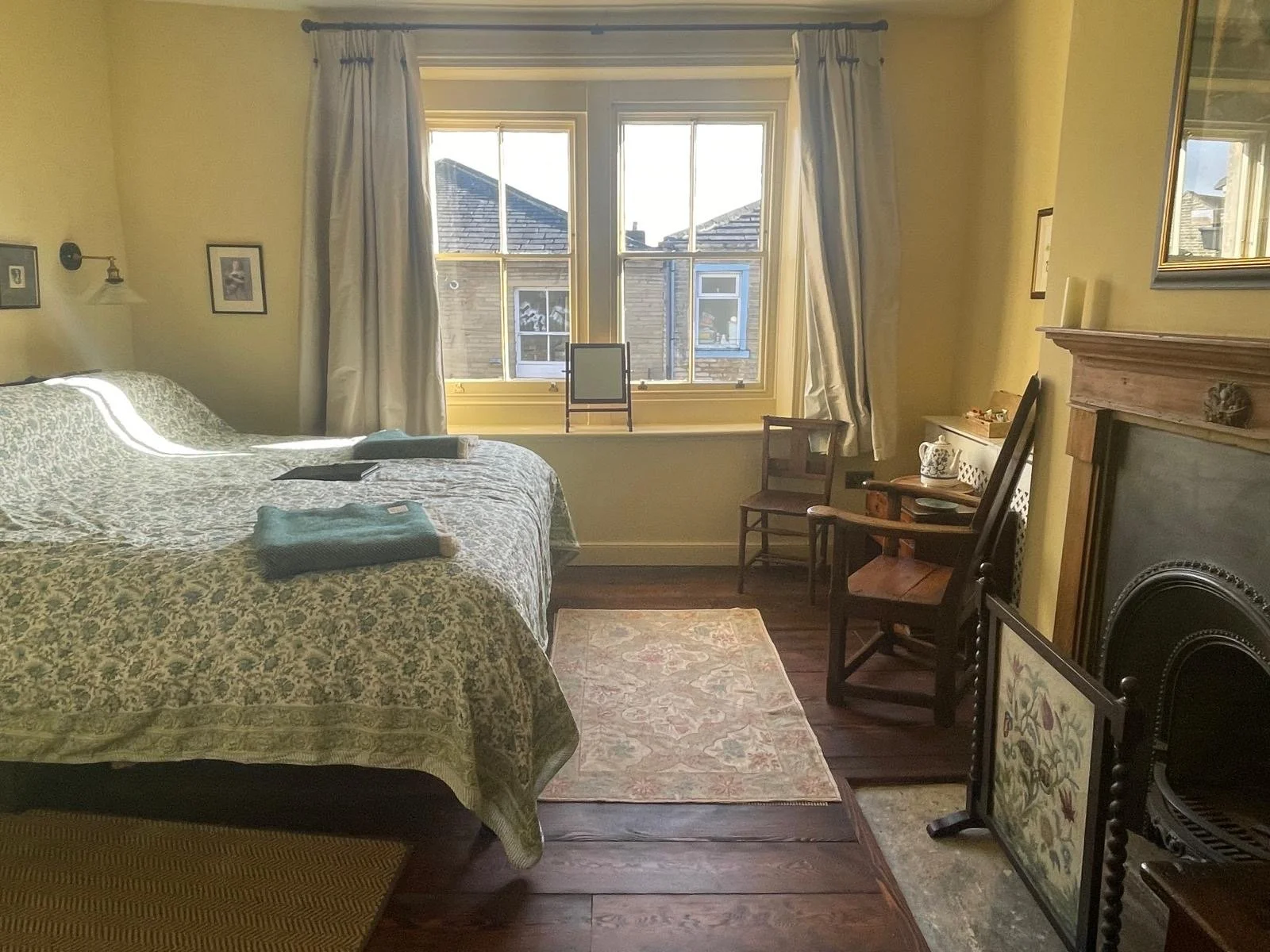
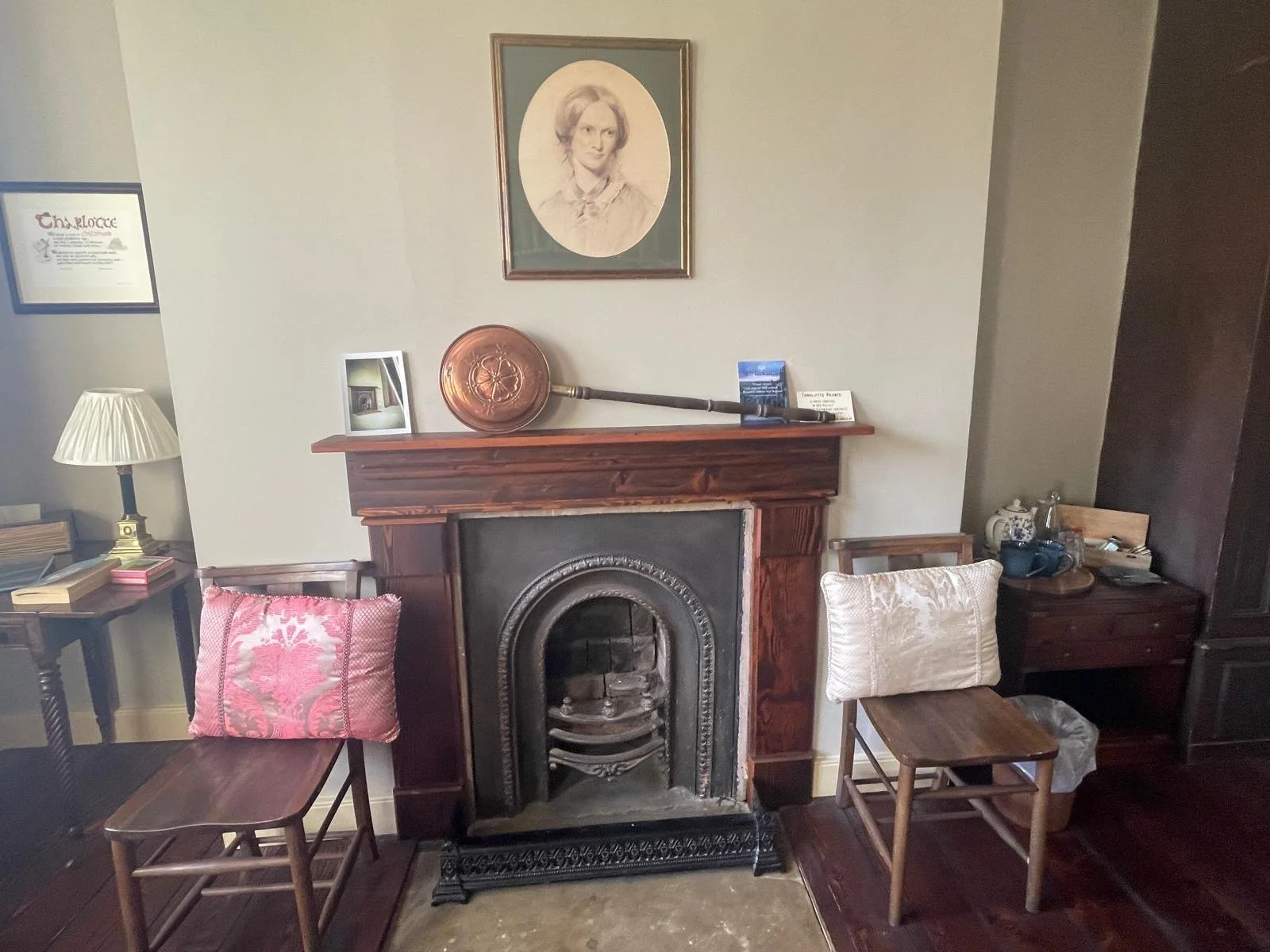
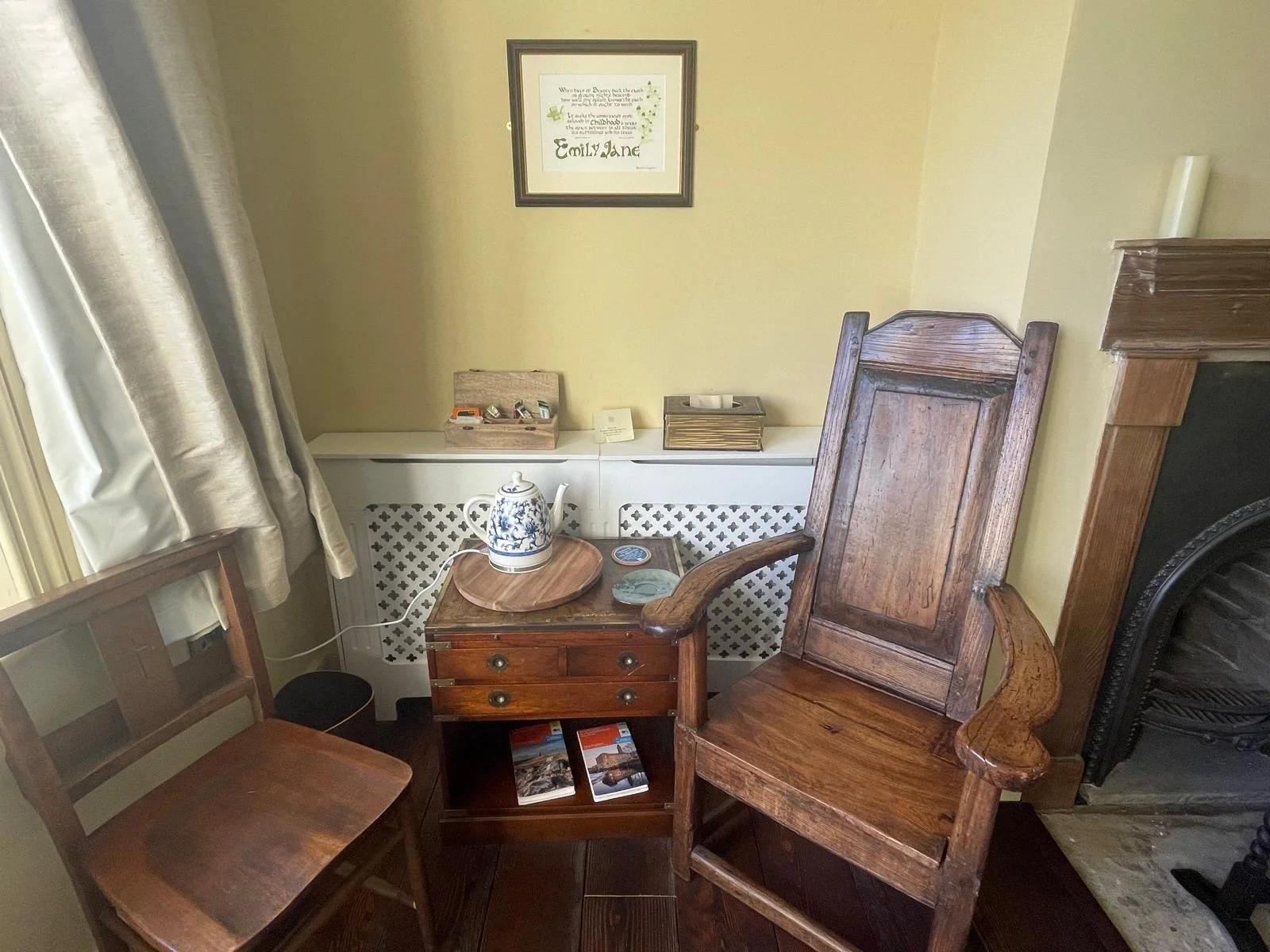
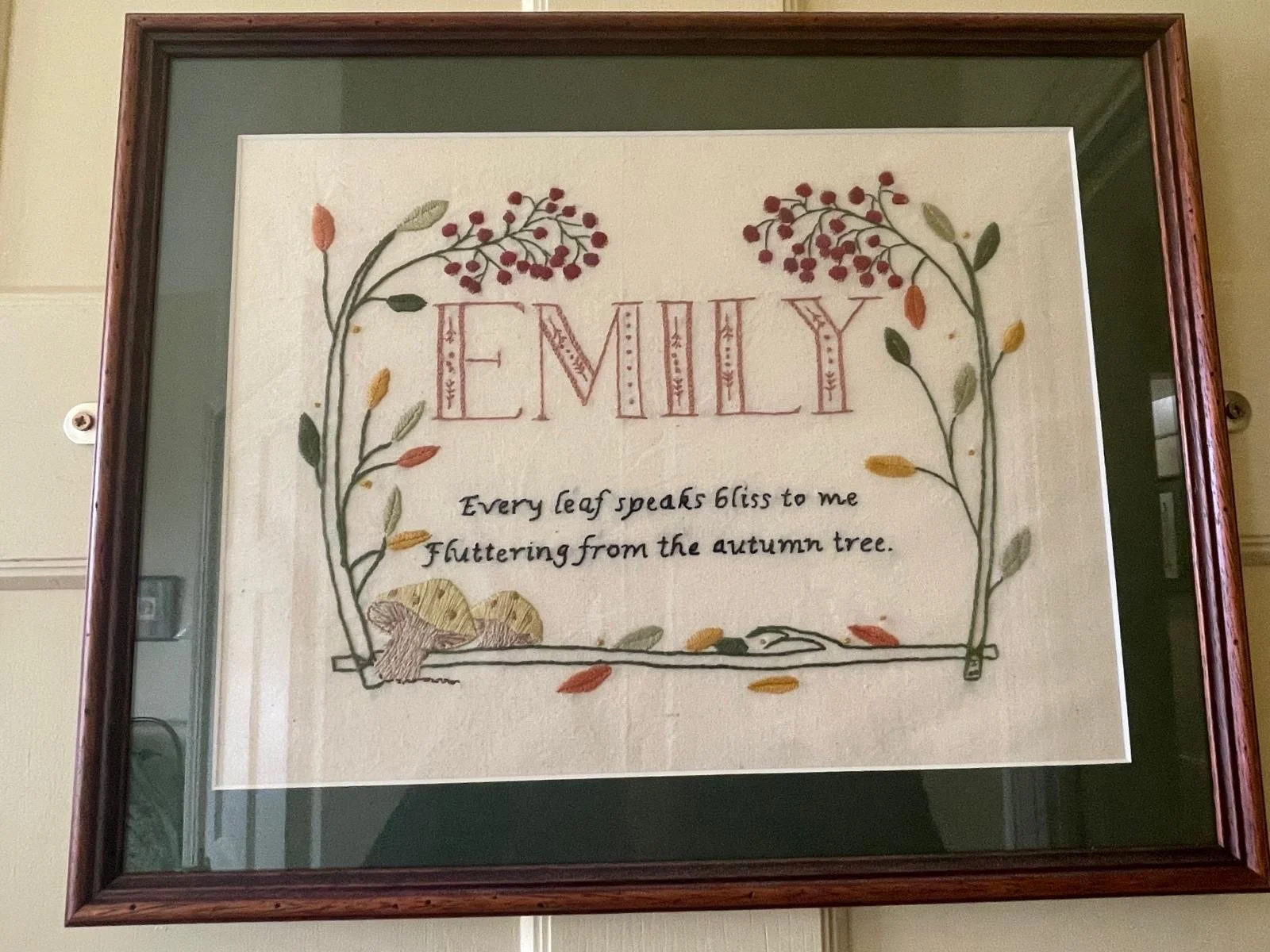
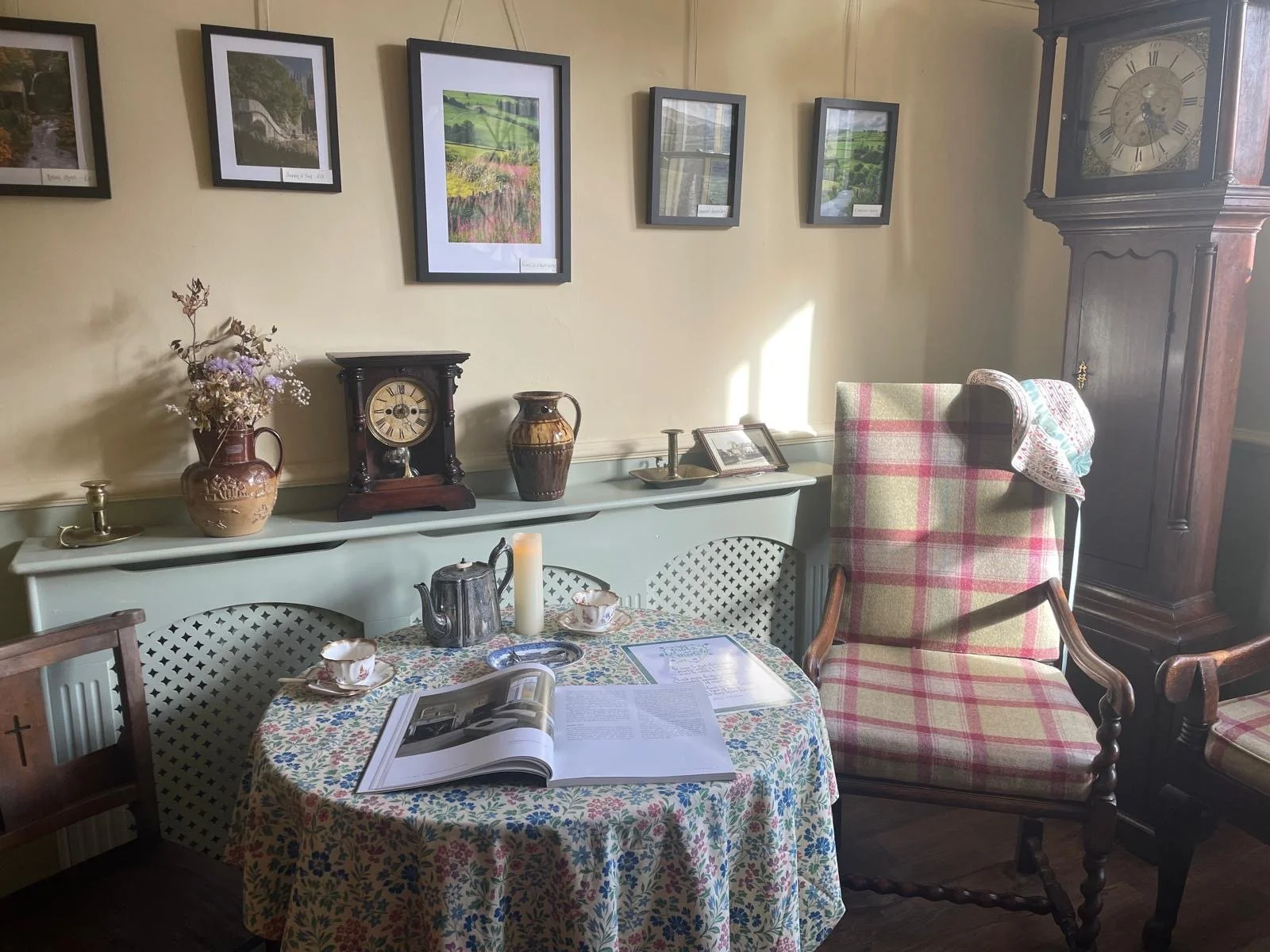
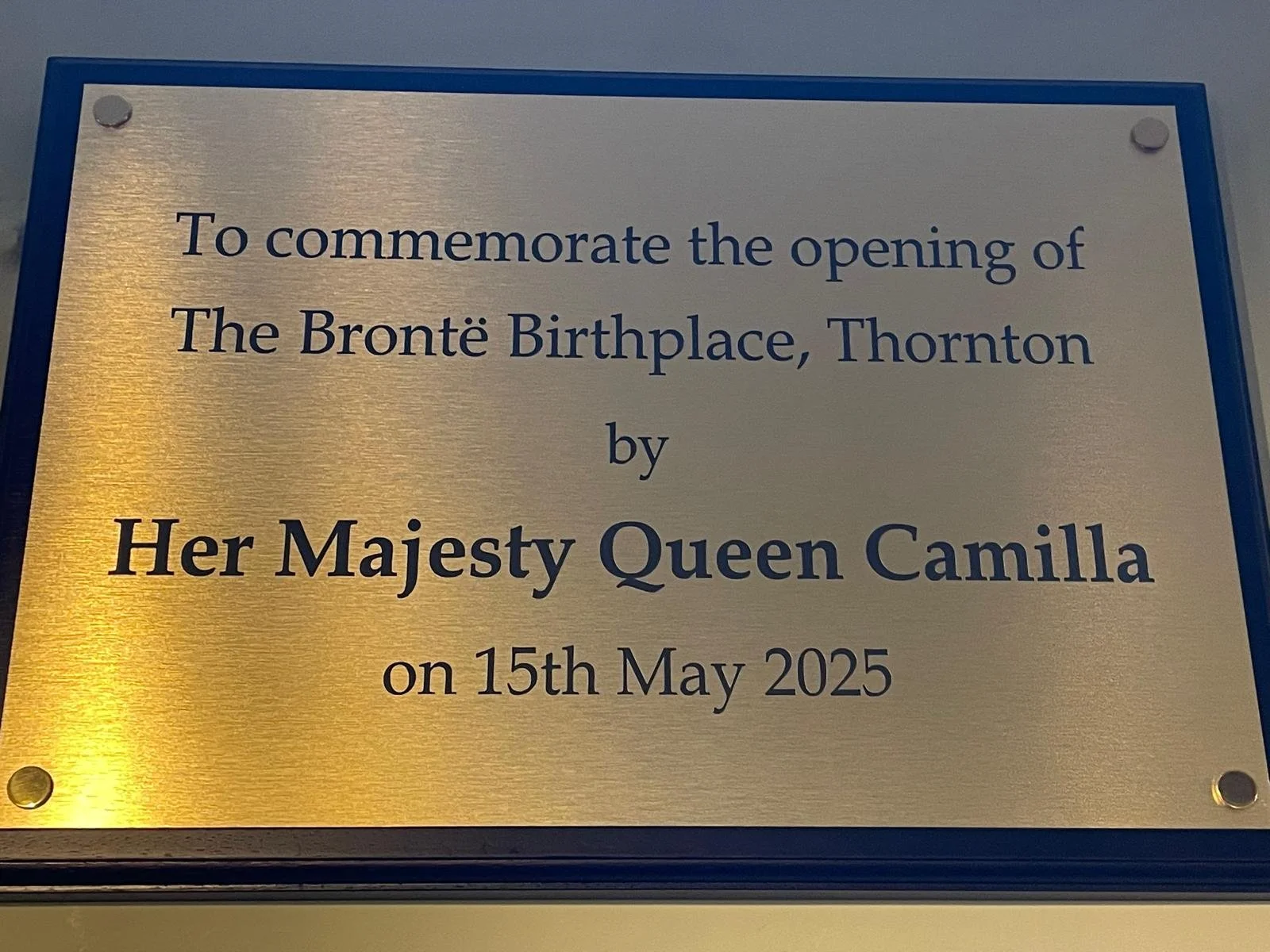
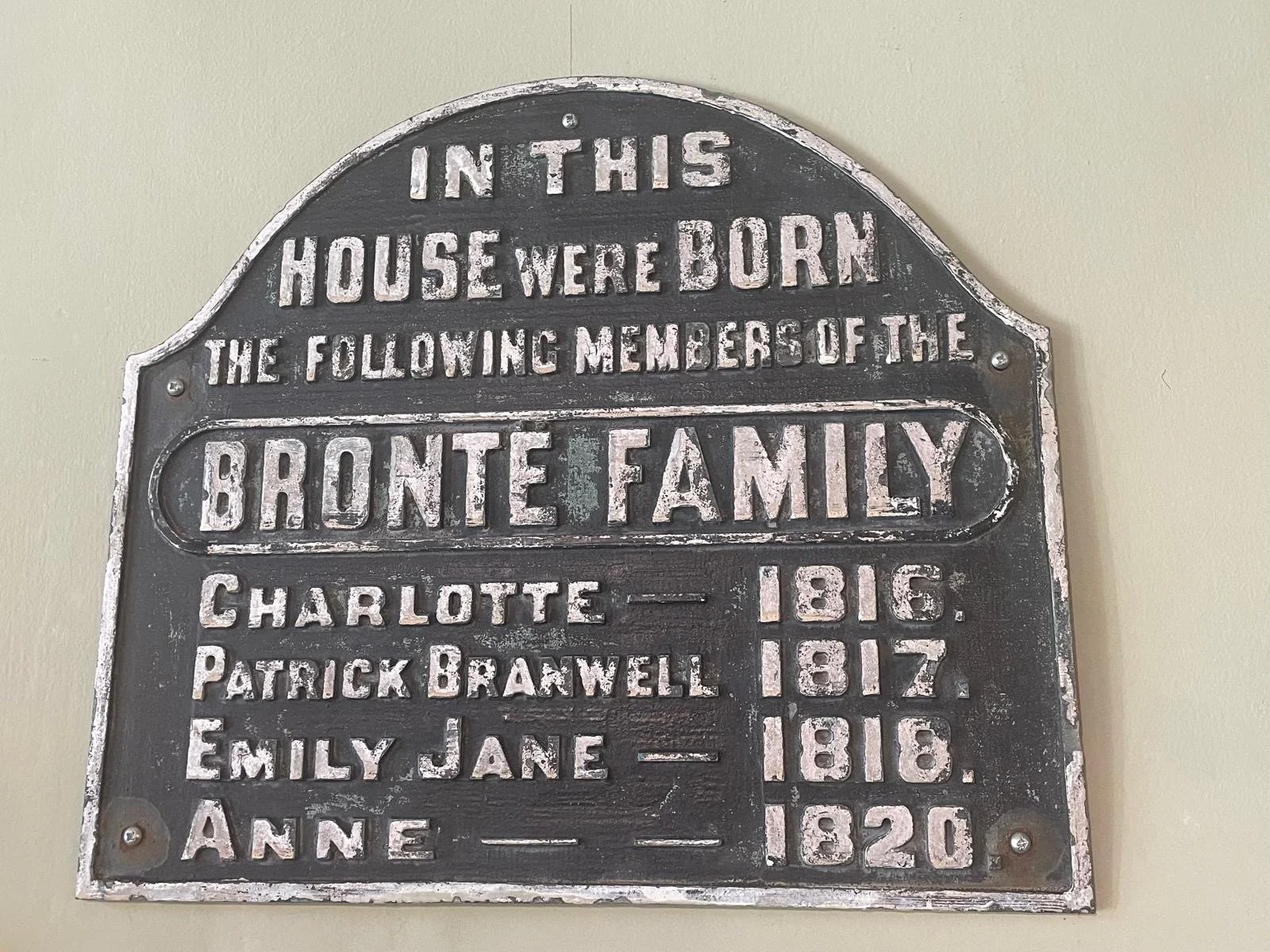
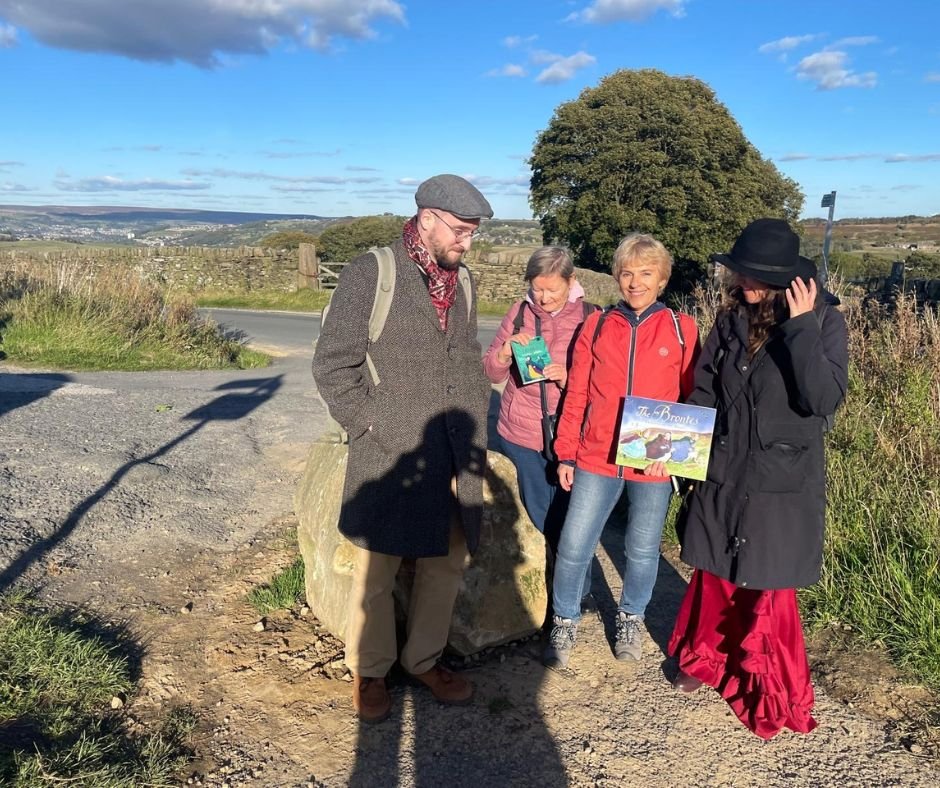
Step into a place where the Brontë sisters were born.
This is more than a stay. It’s an experience rooted in creativity, inspiration, and heritage. Wake up surrounded by the same landscapes that stirred some of the most powerful voices in English literature.
Whether you’re a lover of literature, a seeker of inspiration, or simply looking for a unique and meaningful escape, this is your chance to connect with something extraordinary.
Stay where genius began. Experience creativity at its source.